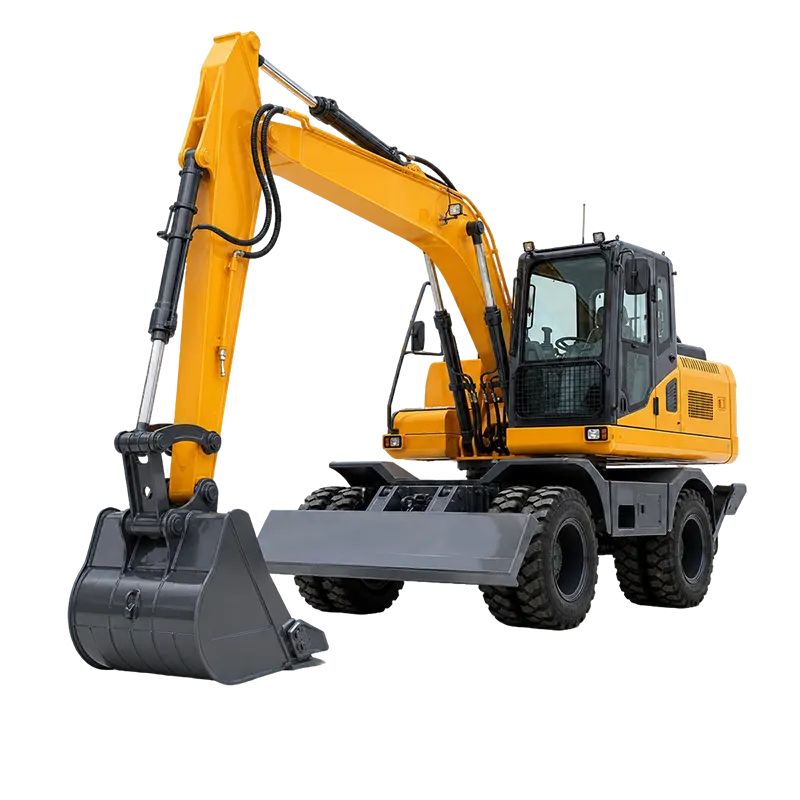
The curved yellow main boom carries its visible cylinder and hoses to position the outer work arm.
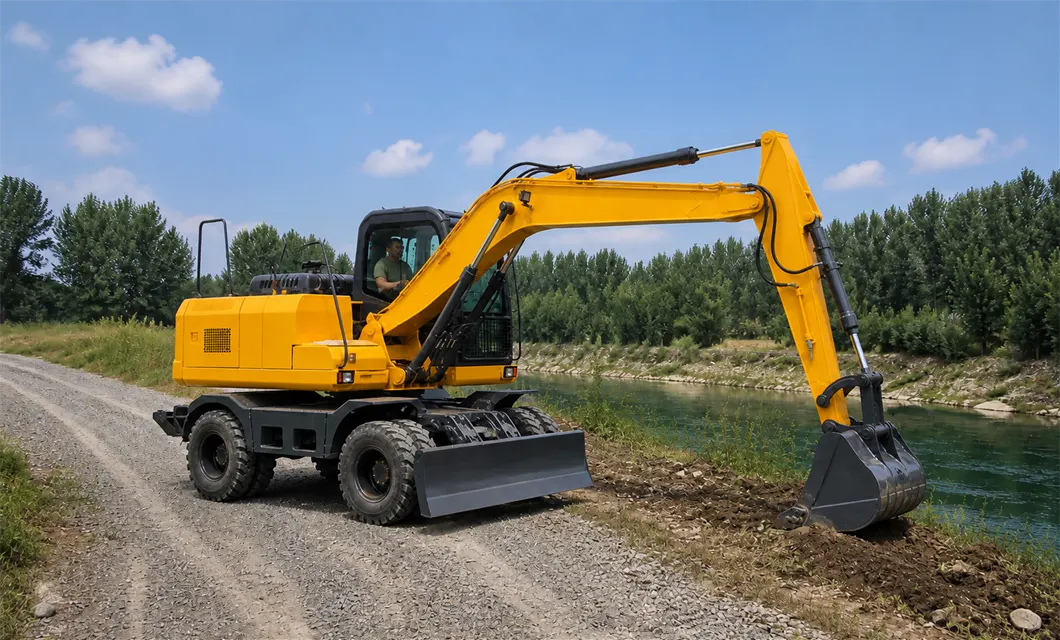 Riverbank Slope Shaping

Wheeled Hydraulic Excavator
This wheeled hydraulic excavator combines four-wheel travel, a 0.6 m3 bucket, front blade, and rear stabilizers for mobile earthwork.
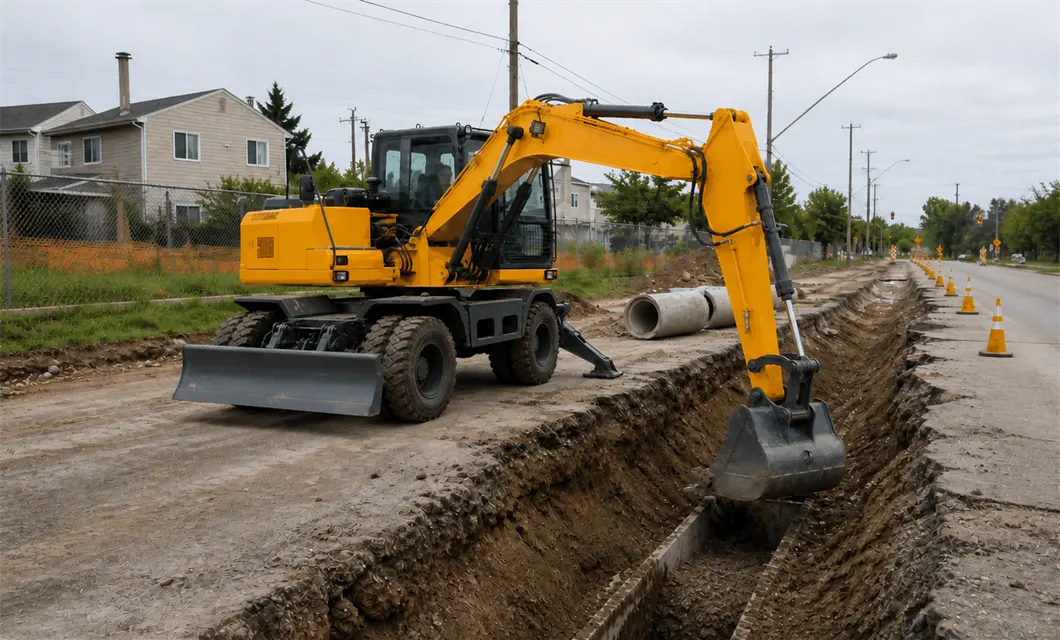 Municipal Storm-Drain Excavation
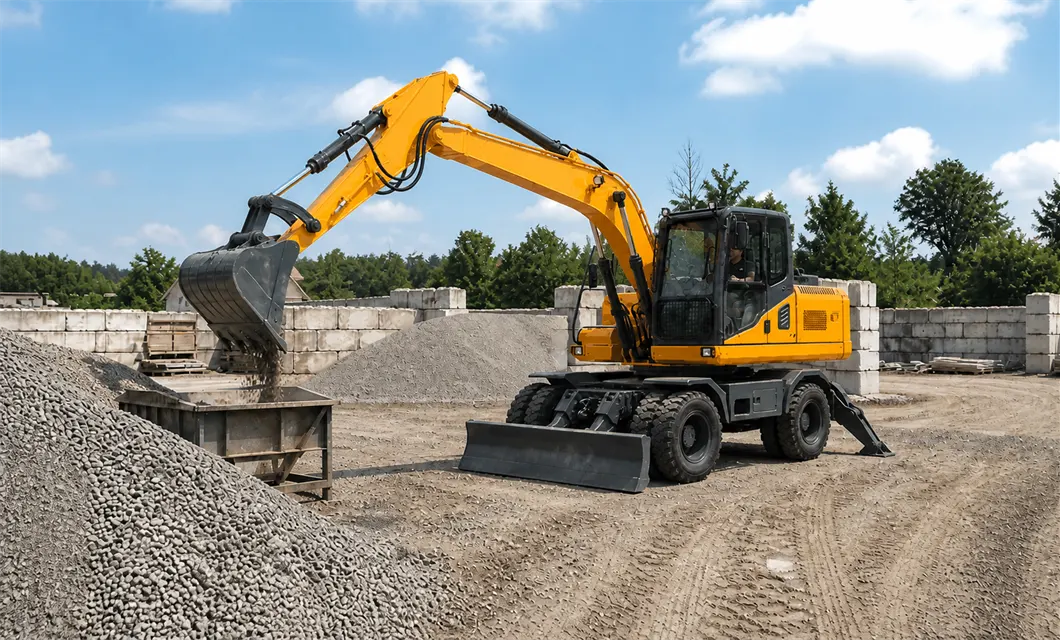 Aggregate and Road-Base LoadingRiverbank Slope Shaping
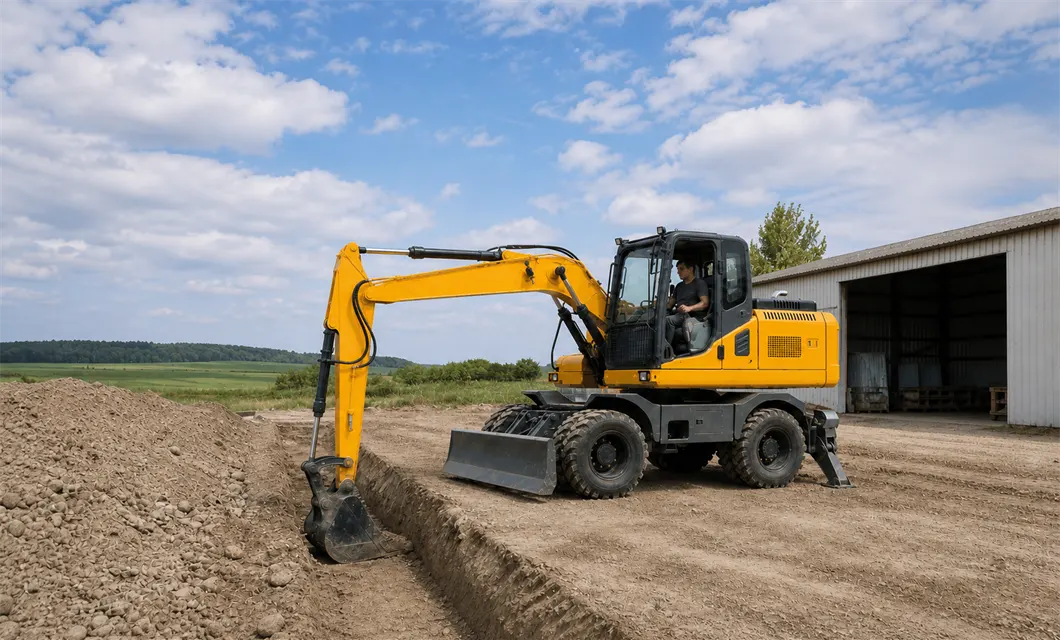 Rural Foundation TrenchingMunicipal Storm-Drain ExcavationAggregate and Road-Base Loading
Mobile Four-Wheel Travel

The curved yellow main boom carries its visible cylinder and hoses to position the outer work arm.
The narrower yellow stick links the main boom to the bucket and transfers controlled digging motion.
The toothed bucket and visible linkage engage soil and convert hydraulic movement into excavation work.
The glazed cab and front guard contain the controls while preserving protected operator visibility.
The rectangular yellow exterior housing forms the rear counterweight and confirmed ventilation area.
The upper frame supports the cab, rear housing, and boom base while enabling controlled rotation.
Four tires, the front blade, and paired rear stabilizers support travel and grounded excavation work.



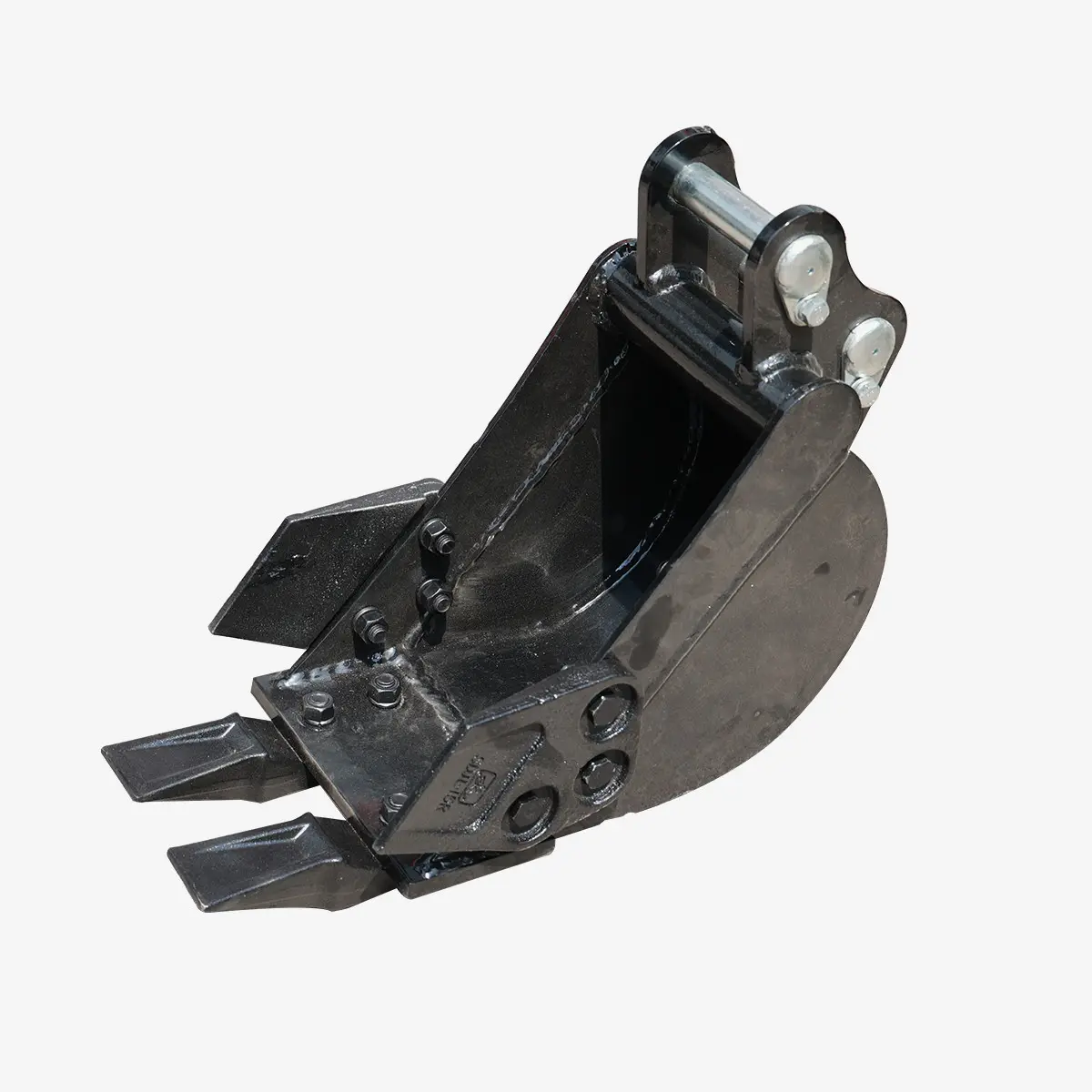
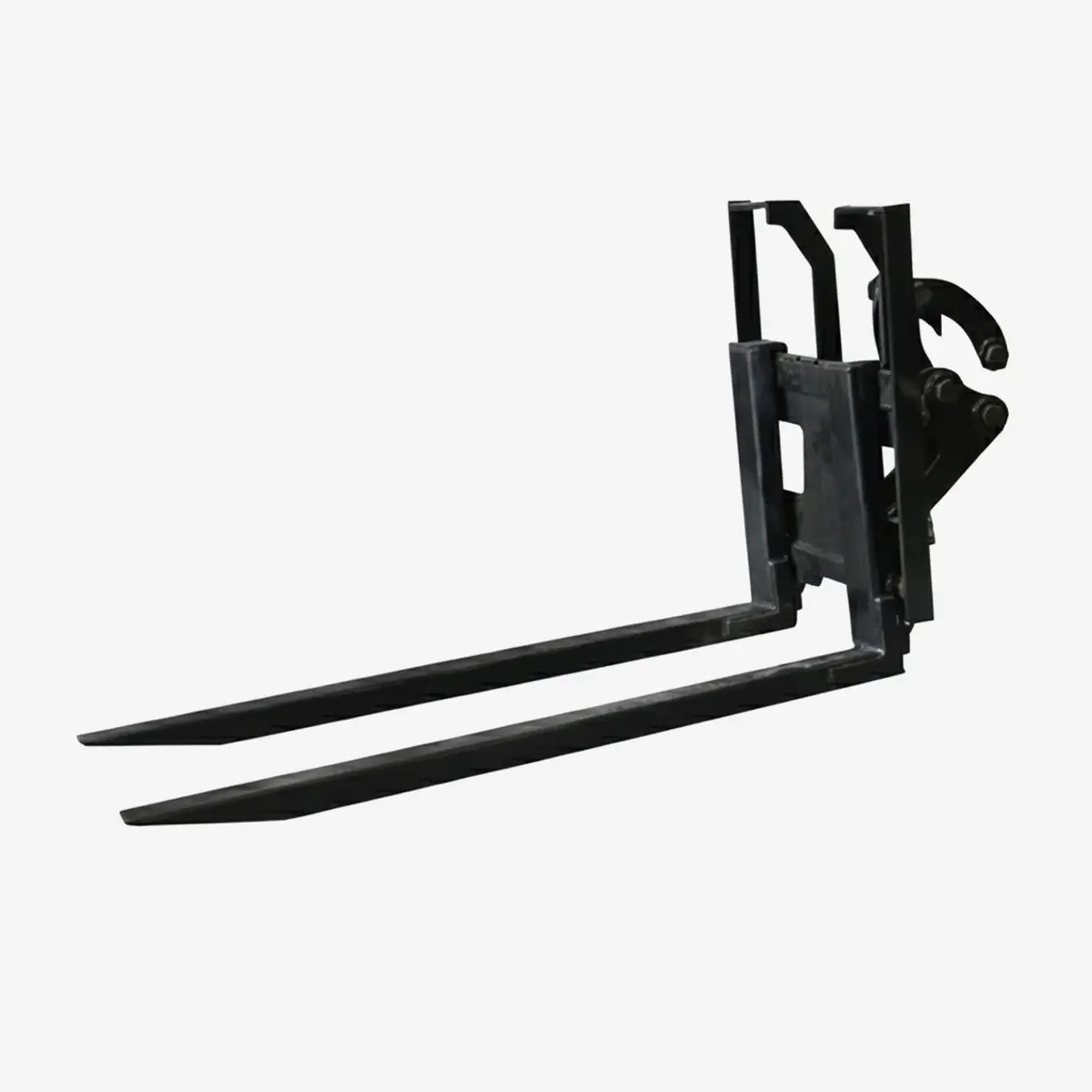
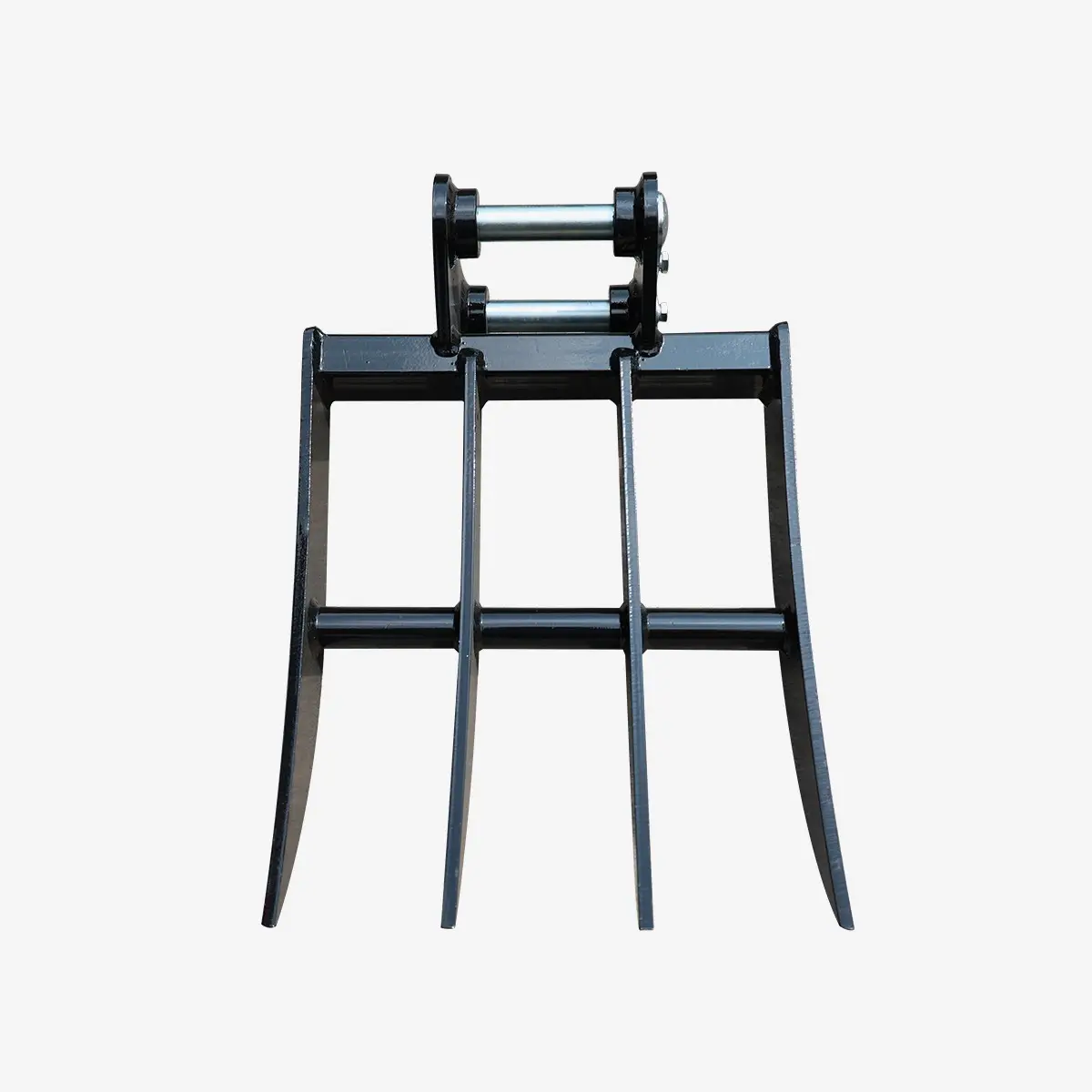
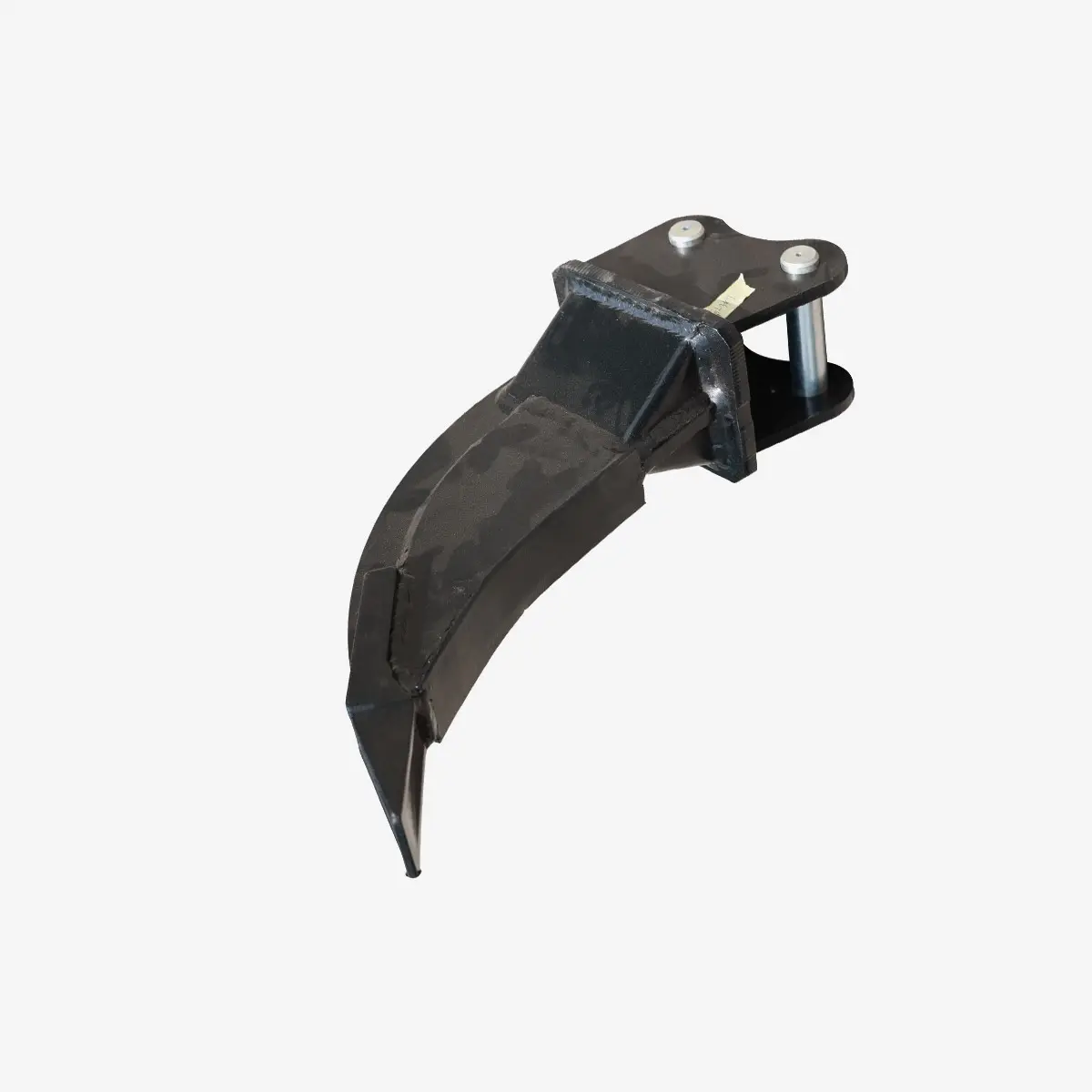
SJ150 Display. Rigid body, spacious platform, stable lifting for high-level aerial work.
01:23SJ150 Display. Rigid body, spacious platform, stable lifting for high-level aerial work.
01:54SJ150 Operation. Stable lifting, sensitive control and steady load for various aerial work.
00:46Mini crawler excavator being loaded into shipping container.
00:59Product packaging. Custom reinforced shockproof package to fully protect machine during long-distance transport.
Real on-site records from our factory, offering a practical view of our production capability and delivery readiness.
We centrally purchase equipment, test the data and the machine, then publish the models that clear our review. You get a shorter path from "could work" to a quote your team can act on.
Qualification Documents
Our team is ready to advise you on the best product configuration and procurement plan.
yiyunying2026@163.com400 158 58991. It is commonly used for construction sites, utility work, landscaping and earthmoving projects, subject to the selected model and site conditions.
2. Match operating weight, working range, power, ground pressure, attachment needs and transport limits to the actual workload and operating environment.
3. Confirm model, power, working attachment, cab or control type and spare parts, then verify the response time and any special requirements.
4. Prepare safe unloading space, stable ground, operator training and fluid, fastener and safety-device checks; follow the manual for operation, inspection and routine maintenance.
_1786609009564_hhwc.jpg?x-oss-process=image/resize,m_lfit,w_800/format,webp/quality,q_80)
_1786609029906_6z7A.png?x-oss-process=image/resize,m_lfit,w_800/format,webp/quality,q_80)
_1786609047712_1GbF.png?x-oss-process=image/resize,m_lfit,w_800/format,webp/quality,q_80)
_1786609065546_Zbi4.jpg?x-oss-process=image/resize,m_lfit,w_800/format,webp/quality,q_80)
_1786609081643_k2r9.jpg?x-oss-process=image/resize,m_lfit,w_800/format,webp/quality,q_80)
 Simplified explanation