The confirmed telescopic boom extends the lifting line while retaining a compact folded profile.
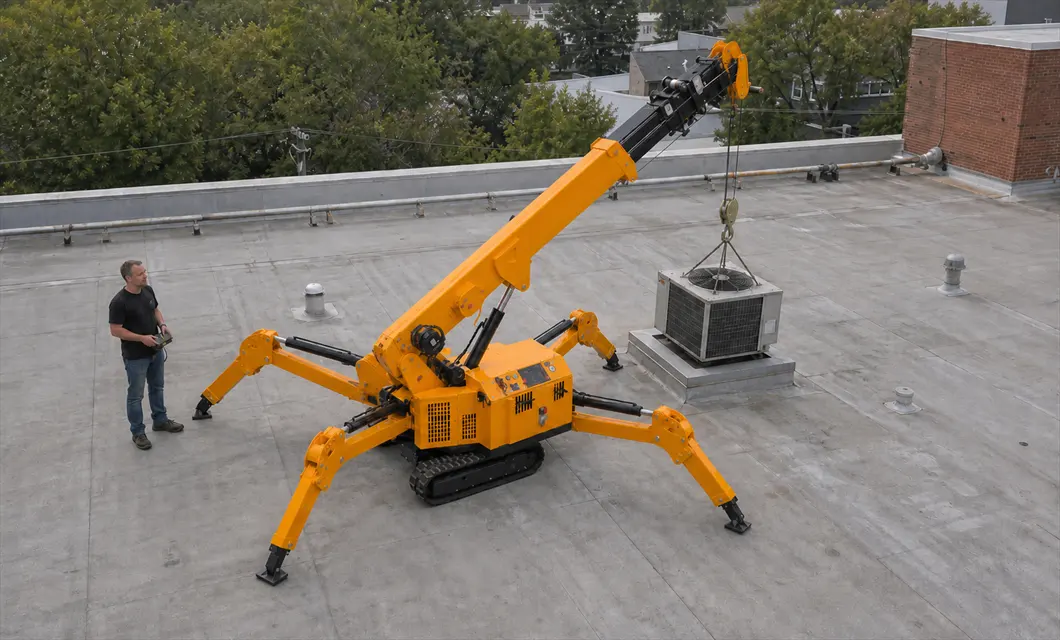 rooftop-hvac-installation

Crawler Spider Crane
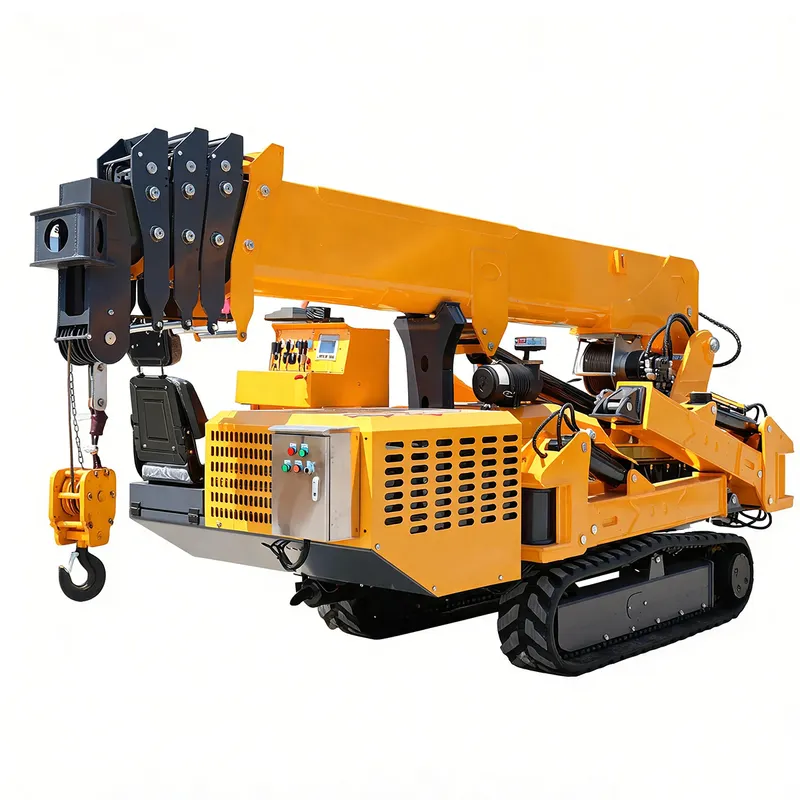
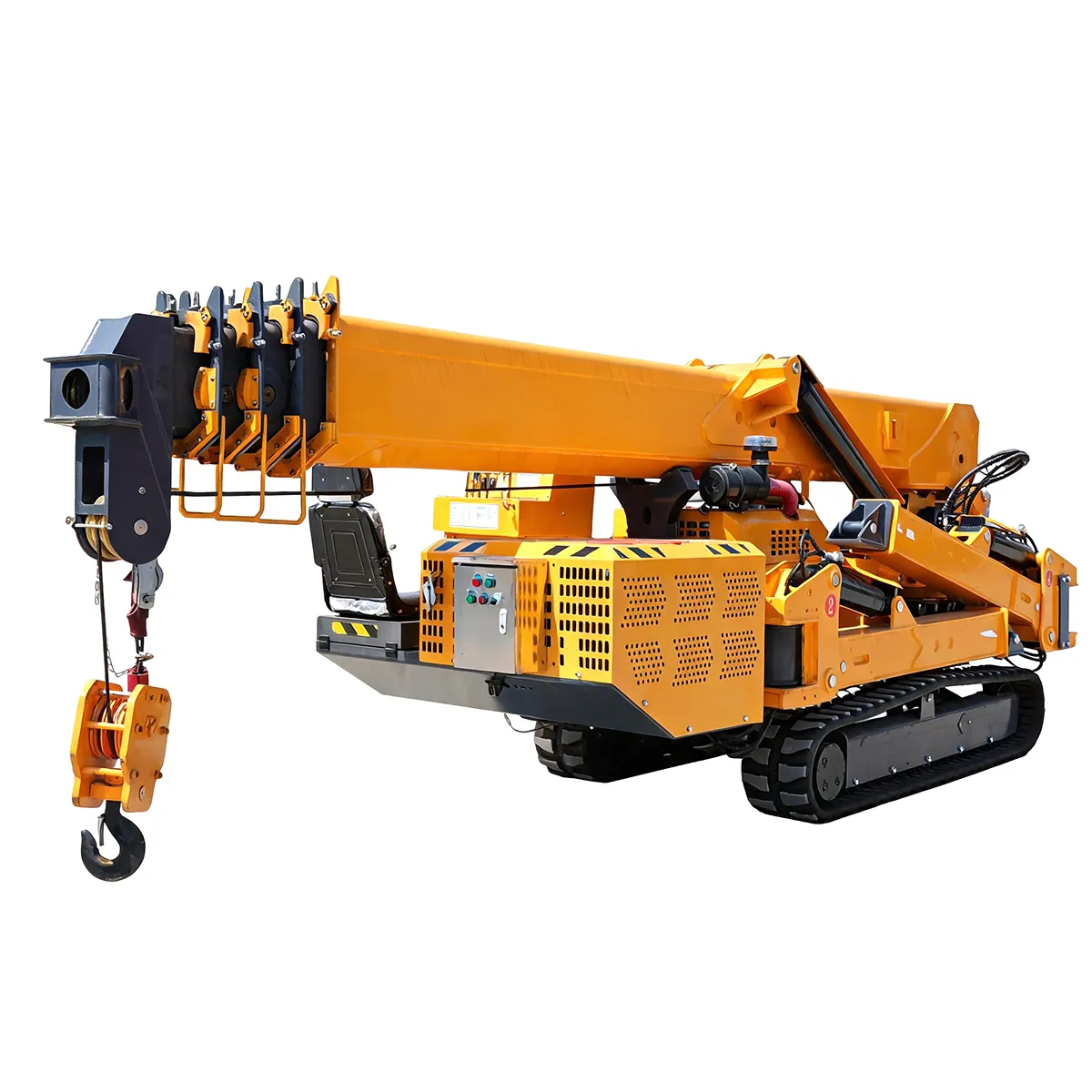
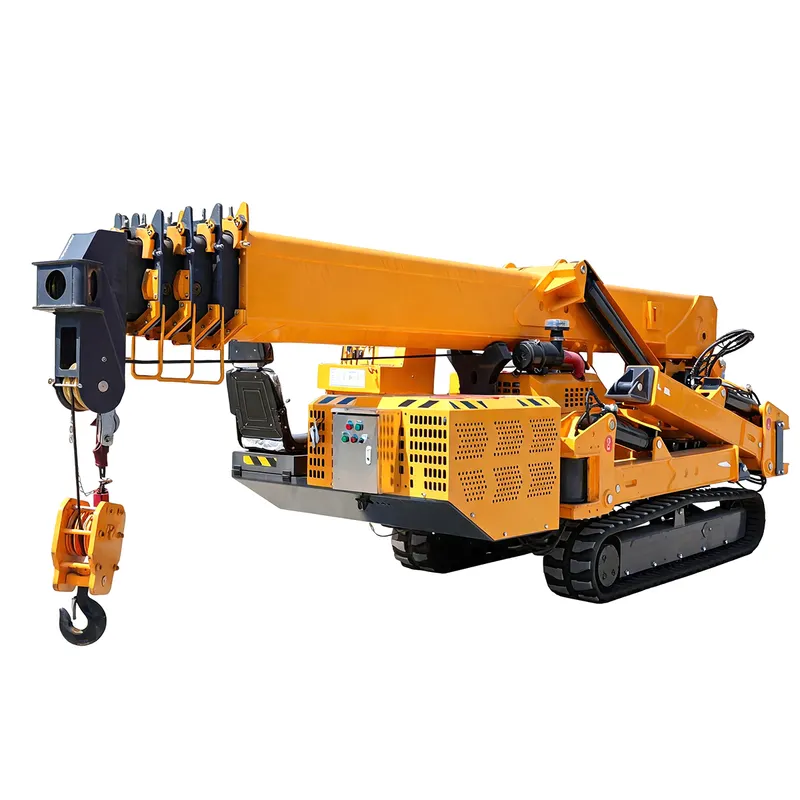
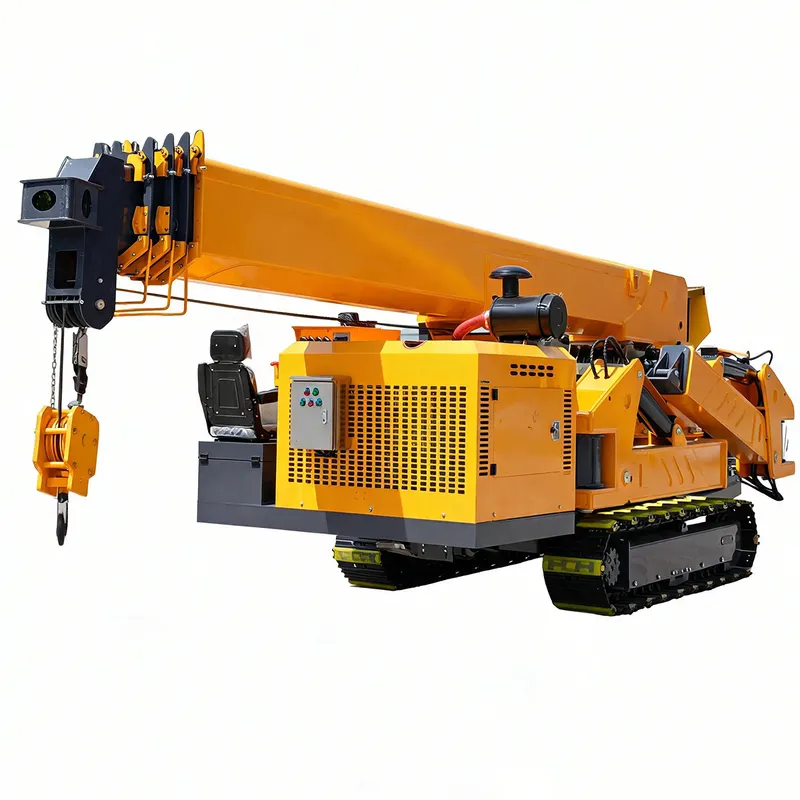
This crawler spider crane supports confined-site lifting with a seven-section boom, compact track base, continuous rotation, and deployable outriggers.
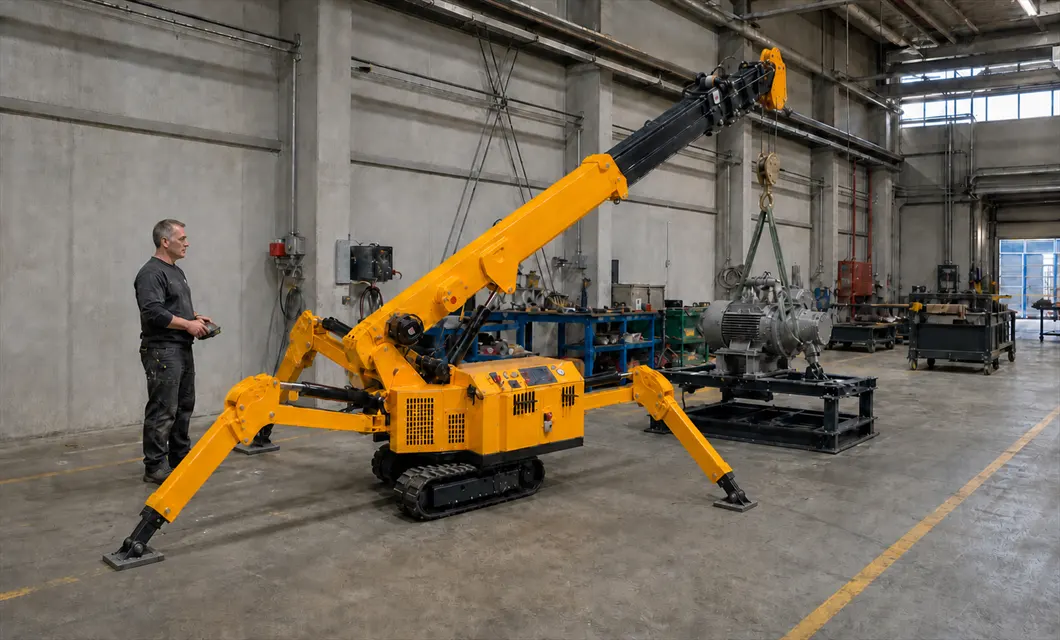 factory-machinery-placement
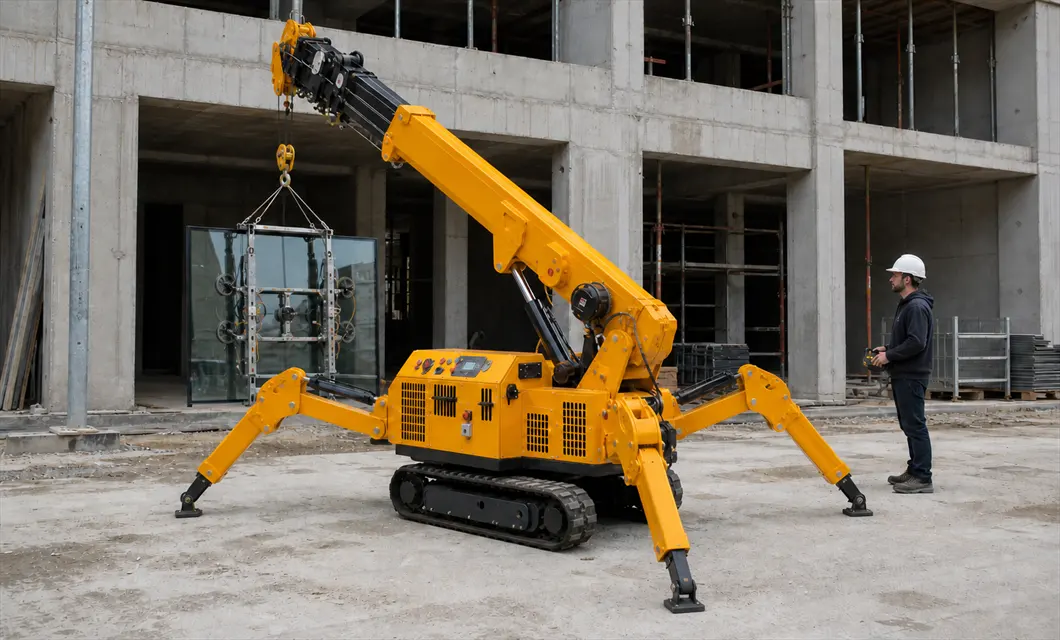 glass-facade-installationrooftop-hvac-installation
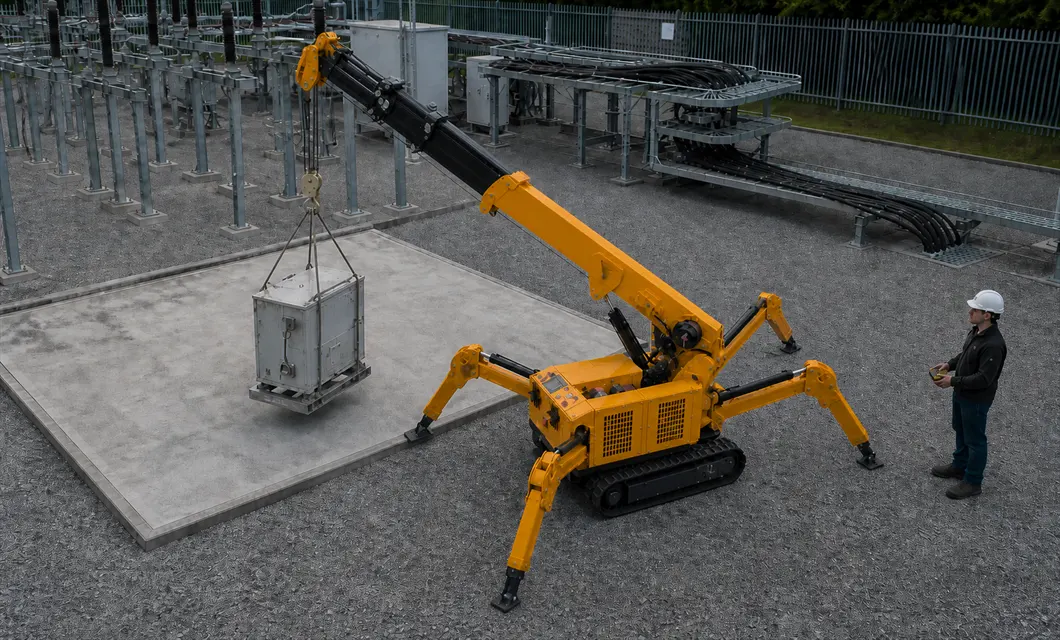 substation-switchgear-placementfactory-machinery-placementglass-facade-installation
Extended 15-Metre Lifting Reach
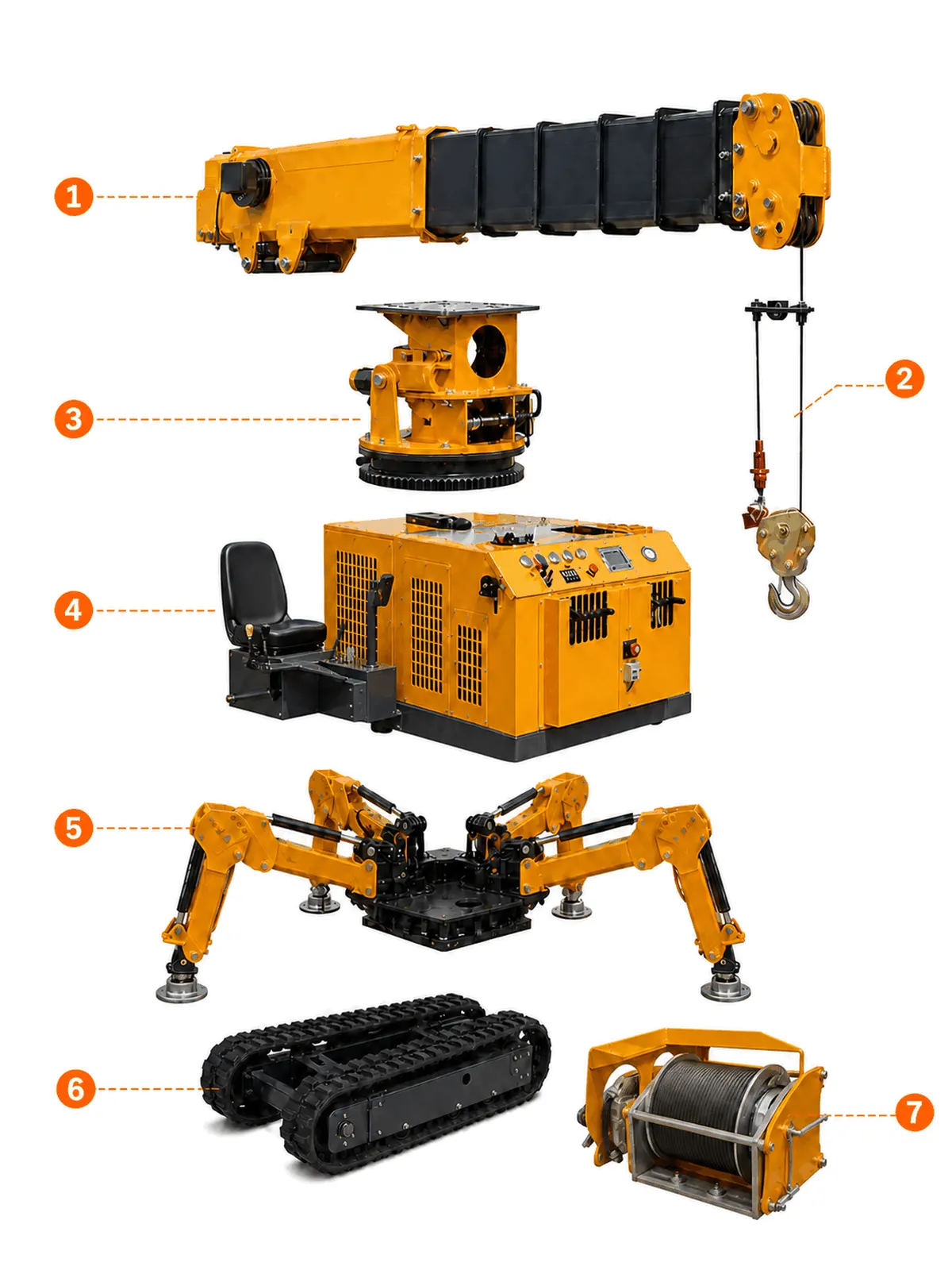
The confirmed telescopic boom extends the lifting line while retaining a compact folded profile.
The hook block guides the visible wire rope and provides the confirmed load connection point.
The rotating pivot supports boom elevation and continuous slewing around the crawler chassis.
The closed vented housing, single seat and manual controls remain grouped on the upper deck.
Four articulated outriggers extend from the center frame and transfer lifting loads to ground pads.
The twin rubber crawler base supports hydraulic travel and spreads machine weight over the ground.
The visible winch drum stores and pays out wire rope for controlled hook raising and lowering.
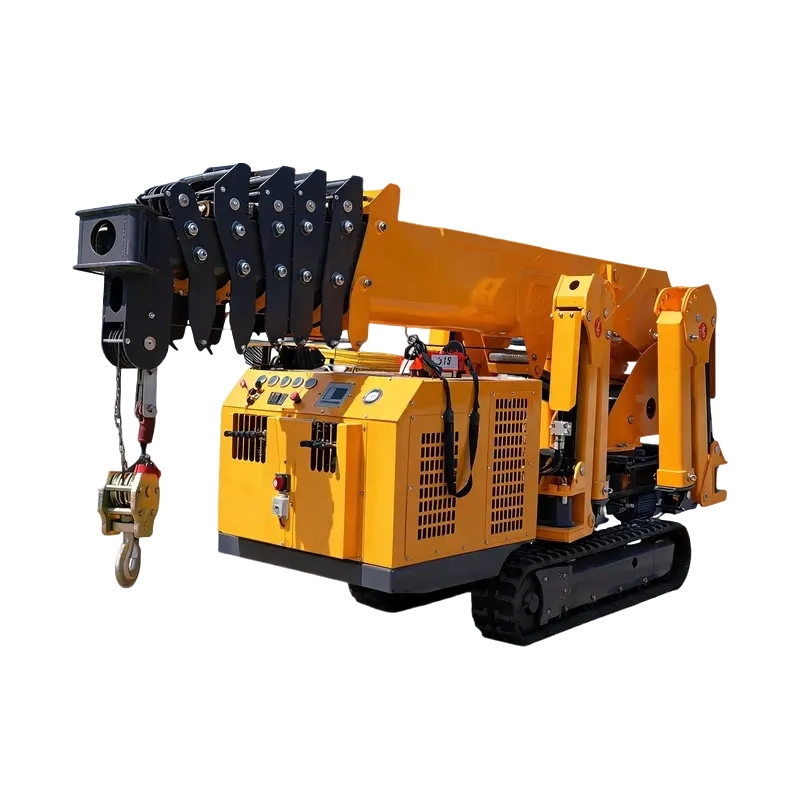
3–4 ton crawler spider crane Appearance display. Compact body, stable outriggers, flexible lifting in narrow sites.
01:203–4 ton crawler spider crane Appearance display. Compact body, stable outriggers, flexible lifting in narrow sites.
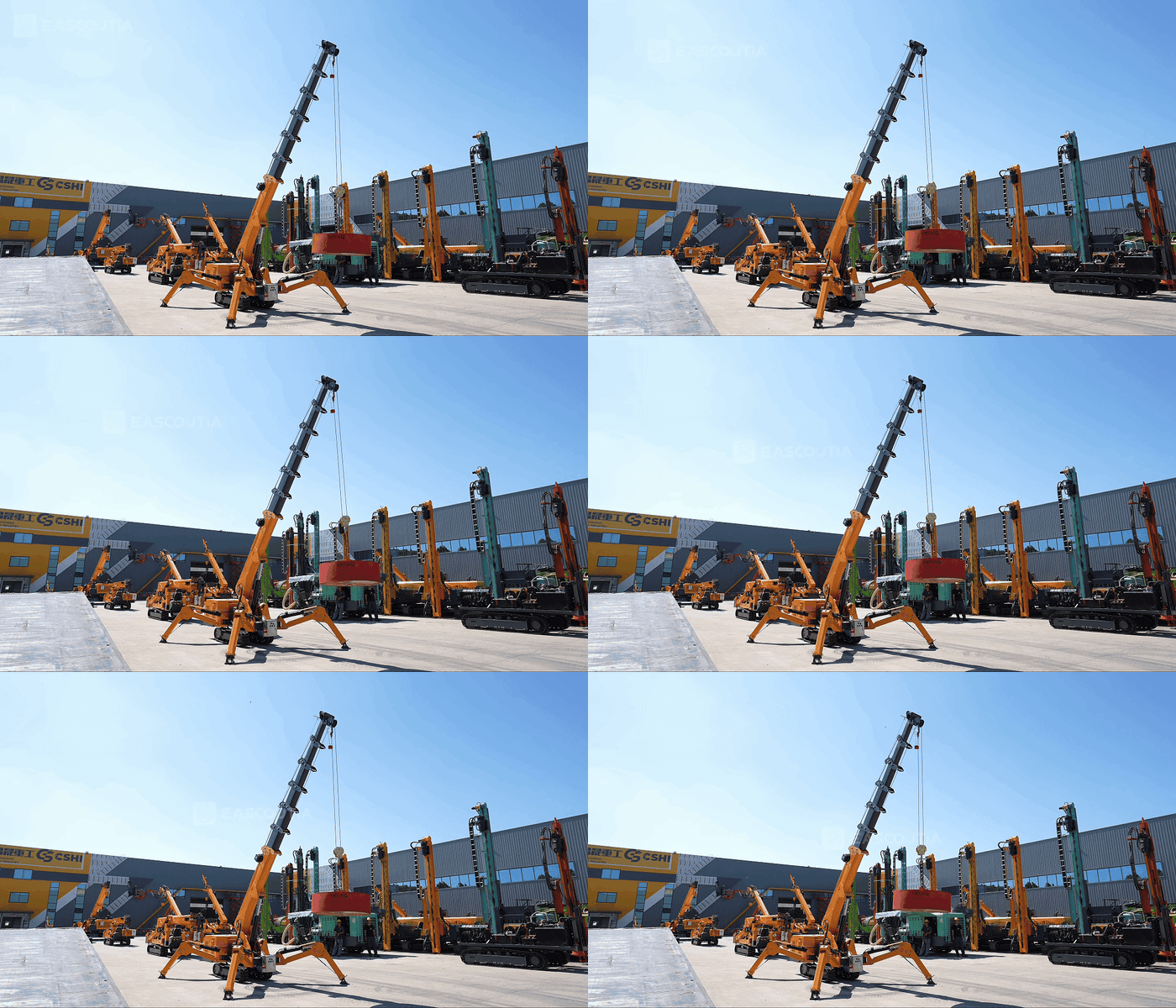
00:56Operation demonstration. Smooth lifting, stable outriggers, safe & efficient lifting in narrow spaces.
Real on-site records from our factory, offering a practical view of our production capability and delivery readiness.
We centrally purchase equipment, test the data and the machine, then publish the models that clear our review. You get a shorter path from "could work" to a quote your team can act on.
Our team is ready to advise you on the best product configuration and procurement plan.
yiyunying2026@163.com400 158 58991. It is commonly used for warehouses, factories, yards, construction sites and maintenance operations, subject to the selected model and site conditions.
2. Match rated load, lift height, reach, aisle width, power type, tire type and ground condition to the actual workload and operating environment.
3. Confirm model, rated load, lift height, mast or boom type and attachments, then verify the response time and any special requirements.
4. Prepare adequate access, level load-bearing ground, trained operators and documented daily safety checks; follow the manual for operation, inspection and routine maintenance.
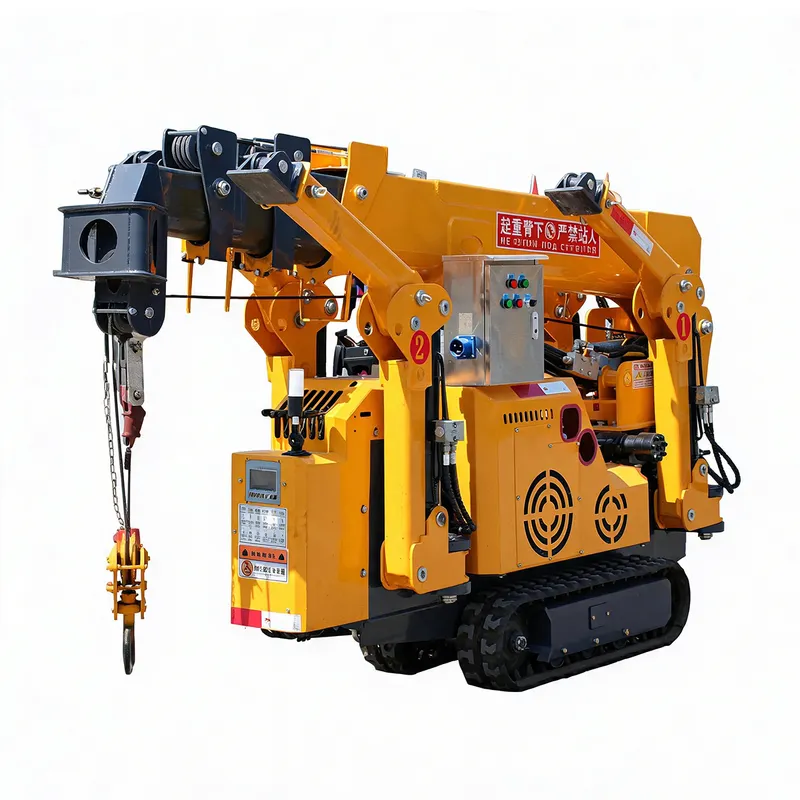
 Simplified explanation